The Spread Offense is slowly but surely becoming a popular youth football offense.
It’s a dynamic offense because it spreads the defense out horizontally, which creates running lanes inside. Spreading the defense out will also allow you to get your athletes the ball in the open field. There are also many teams that use the no huddle play calling system. Using the no huddle will allow you to call a play that can hurt the defense based on their alignment and it will allow your offensive coordinator to call the right play consistently.
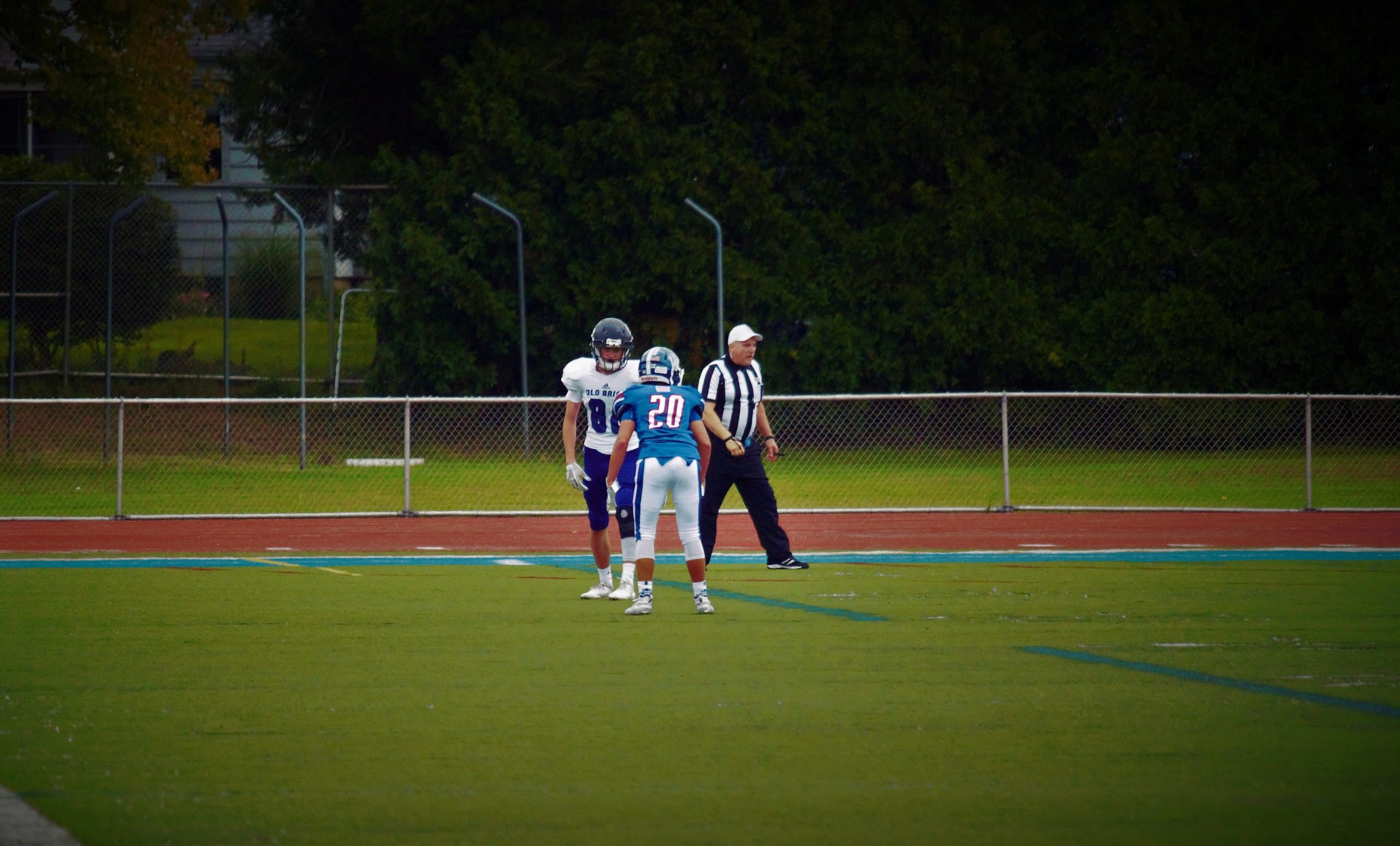
This past weekend the team we faced used the spread offense. They were 4 to 5 wide at a time and called all their plays from the line of scrimmage, based on our defensive alignment. This team was loaded with great athletes, that were well coached. They skillfully used the wrist coach play calling no huddle system. Every player on the field had a wrist coach with colors and numbers. It was the first time this football season that my coaching staff and I had to prepare for such an explosive, legit spread offensive team. We switched from our 53 defense to a 44 youth football defense because this team was so fast vertically and horizontally. Our opponents averaged 30 points a game, with a ton of passing and rushing yards. The result? We held this team to only 2 offensive touchdowns and did a great job with not giving up the big passing play.
Our keys to defending the spread offense:
- Do not give up the big play. We did a good job with keeping receivers in front of us. We did not allow them to pop big passing plays. On a negative note, our run defense in space could have been better.
- Tackle well in space. It was vital that our defenders got to the football and gang tackled. They had many great athletes, so arm tackles weren’t going to get it done. We did a decent job with our tackling, but it could have been better. I credit some of that to the dominant athletes they had, 12 of which were older but lighters (7 graders playing against my 5 & 6 graders).
- Do not get beat by their combination routes. We played our cover 3 zone almost flawlessly. We covered the flats and took away the post and fly patterns that they threw consistently. We spent a lot of practice time with our cornerbacks on pass coverage and defending the deep ball.
- Contain the dual threat QB. We did a good job of containing him all game long. We took away their zone read play and stayed disciplined when defending their counter play.
- Alignment! Our alignment was great all day long. Our opponent did a great job with shifting into different spread offensive formations. They had multiple formations that they would shift into and we were able to realign quickly and properly, for the most part. Because my staff and I effectively scouted this opponent, we were able to prepare for the spread offense all week. If we did not know what was coming we would of had a problem!
- Take away their inside slot receivers. They had two very good slot receivers that they loved to throw the ball to. They also did a great job with their run blocking. We took our outside linebackers and lined them up on the slot receivers outside shoulder and jammed them hard. This disturbed their combination routes and it allowed us to attack them before they attacked us on running plays.
- Our opponent made all their play calls based on our defensive alignment. So what did we do to defend this spread offensive attack? We initially showed our cornerbacks in press coverage, then bailed back to 8 yards off with inside leverage. In a nutshell, we showed man to man coverage and then we would bail out of the look and into our cover 3. It worked well for us. We were able to cause 3 delay of game penalties because they would be so concerned with calling the right play.
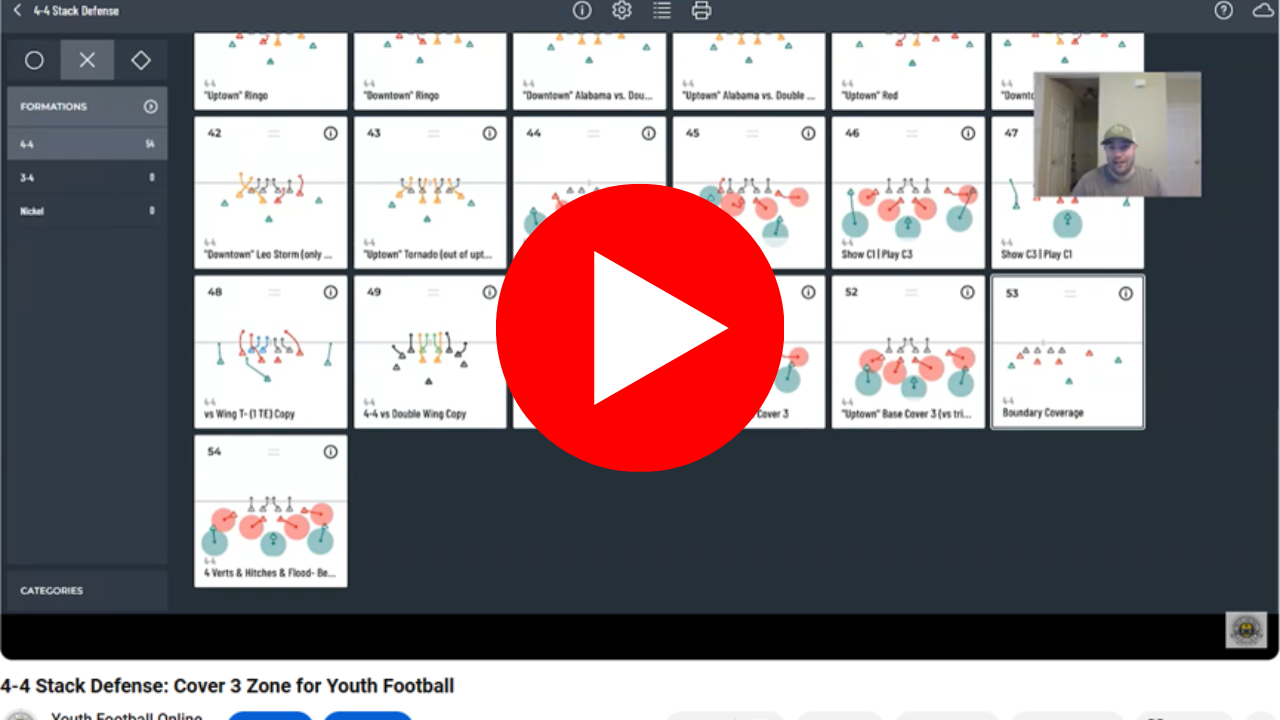
Here is our alignment vs. their base double wide package.
Our two defensive tackles line up in the A-gaps. The two defensive ends line up on the outside shoulder of the offensive tackles (contain). The two middle linebackers would line up 3 yards off the line and over the B gaps. The outside linebackers will line up on the outside shoulder of the two inside receivers (containment support). The two cornerbacks would be at 8 yards and have deep 3rd coverage. The middle safety lines up 15-18 yards deep playing deep middle 3rd. We had our safety line up really deep because this team was super fast. Having our safety deep will allow him to take better angles to the ball carrier. Proper alignment is a vital aspect of defending the spread offense.
Here is our 44 defense cover 3 coverage alignment.
The defensive tackles will pressure up the A gaps, anchoring and taking away their QB
draw and trap. The defensive ends do a hard pass rush from the outside shoulder of the offensive tackles (do not let the QB roll outside the pocket). The outside linebackers line up on the outside shoulder of the inside receivers and get real physical, always holding outside leverage and covering the flat. It is also very important that your defenders get depth on their zone drops, playing the receivers high to low. The middle line backers have the hook zones. What hurt us early on was our opponent would do play action passing plays to bring the middle linebackers up and hit us across the middle about 10-15 yards down the field. Since our outside linebackers played with outside leverage their slot receivers easily ran inside routes across the middle just behind our line backers and in front of our deep safety and cornerbacks. Once we were able to get more physical with the slot receivers this allowed our pass rushers to rush the QB causing a bad throw or sack.
Defending the spread offense is not an easy task, but I feel we did a pretty good job. What are your thoughts? How do you defend the spread offense? Comment below.


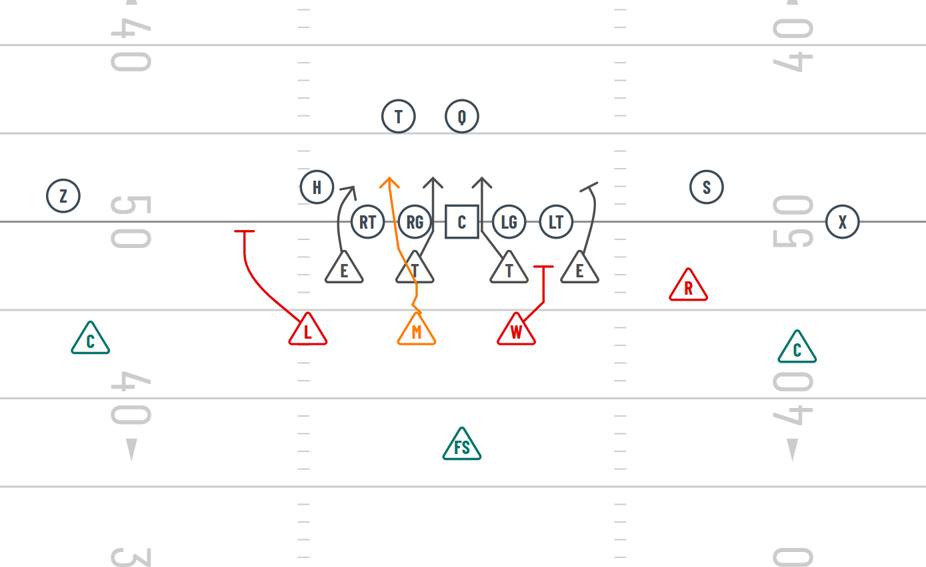
The play-side defensive tackle slants outside ripping through and crossing the face of the offensive tackle. The play-side (red) defensive end slants down ripping through and crossing the face of the offensive guard. The defensive end slants down first, then the defensive tackle slants outside right off the defensive end’s butt. The middle linebacker blitzes the A gap. The play-side outside linebacker holds containment. The back-side DT (opposite side of the twist) forces A gap, the back-side DE forces C gap, and the back-side outside linebacker holds containment. The secondary plays cover 3. This is a great play out of the 44 defense. If executed properly, it will be a nightmare for O-linemen.